Table Of Content
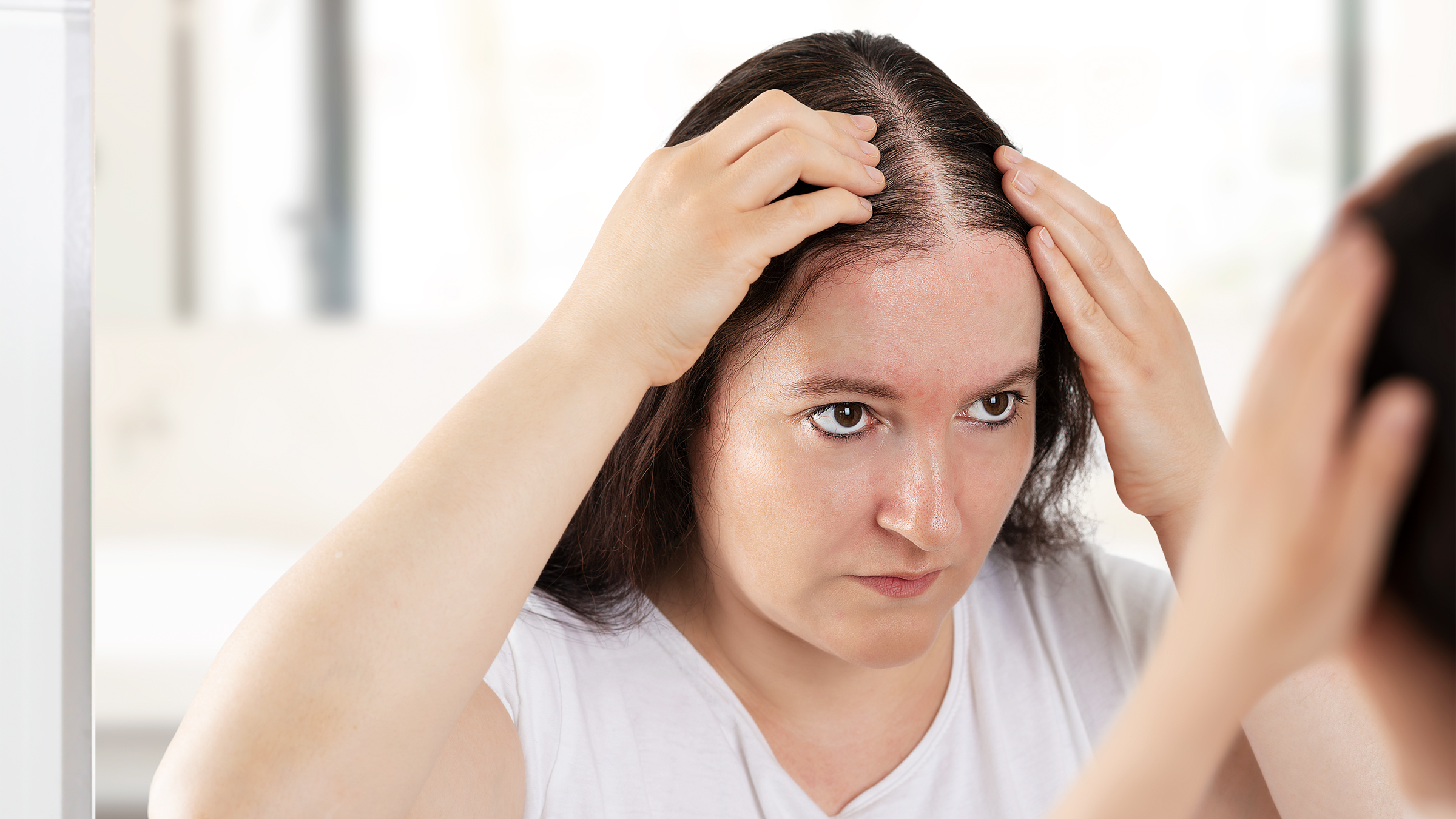
This involves drawing your blood, spinning it down, then injecting your own platelets back into your scalp to stimulate hair growth. In people assigned female at birth (AFAB), noticeable hair loss is pretty common, with around one third experiencing it at some point. Female pattern baldness doesn’t affect your physical health. But it can affect you psychosocially (how society and social groups affect your thoughts and emotions).
Hair Loss in Women
For this reason, your dermatologist may include one of the following in your treatment plan. A treatment plan for hair loss may include one or more of the following. Once your dermatologist finds the cause(s), your dermatologist will tell you whether treatment is recommended. Sometimes, your hair will regrow on its own, making treatment unnecessary. This might be the case if someone has more than one cause.
Harvard Health Blog
New Alopecia Areata Treatment Aims To Help Adults and Adolescents - Yale Medicine
New Alopecia Areata Treatment Aims To Help Adults and Adolescents.
Posted: Thu, 06 Jul 2023 07:00:00 GMT [source]
It typically isn’t covered by insurance, and it can be expensive, Mirmirani says. Generally speaking, the sooner you start treatment, the more options you have and the better your results, dermatologists say. “As soon as you notice hair loss is happening, you should come in,” says Lauren Eckert Ploch, a dermatologist in Aiken, South Carolina. While alopecia doesn’t typically affect your physical health, the emotional and psychological distress it can cause are very real. Cosmetic camouflages include coloured hair sprays to cover thinning areas on the scalp, hair bulking fibre powder, and hair wigs. Hair transplantation for FPHL is becoming more popular although not everyone is suitable for this procedure.
stress
Traction alopecia is the result of environmental factors, such as wearing your hair in tight hairstyles, Agbai says. Telogen effluvium refers to the excessive shedding of hair follicles, and it occurs when hair follicles prematurely skip to the end of the hair growth cycle, she adds. Everyone is born with a fixed number of hair follicles on the scalp that produce hairs throughout life. Hair grows from the base of the follicle at a rate of about one centimetre a month for about three years. After anagen, the hair dies (catagen hair) and no longer grows. It sits dormant in the follicle for a three-month phase called telogen.
Special Health Reports
Minoxidil is available as 2% and 5% solutions; the stronger preparation is more likely to irritate and may cause undesirable hair growth unintentionally on areas other than the scalp. If you’re noticing hair loss, consider reaching out to a doctor or dermatologist. They’ll be able to figure out what kind of hair loss it is and what could potentially be causing it. However, proper treatment can stop the hair loss and potentially help regrow some lost hair.
Books about skin diseases
Currently, it is not clear if androgens (male sex hormones) play a role in FPHL, although androgens have a clear role in male pattern baldness. The majority of women with FPHL have normal levels of androgens in their bloodstream. Due to this uncertain relationship, the term FPHL is preferred to ‘female androgenetic alopecia’. You’re more likely to develop female pattern baldness if your biological parents or other close genetic relatives have experienced hair loss. If you have female pattern baldness, you may be able to camouflage the hair loss at first by adopting a new hairstyle. Whereas FPHL is characterized by gradual, slow hair thinning, telogen effluvium (TE) is defined by a sudden, dramatic shedding that seemingly comes out of nowhere.
Rosemary oil and hair growth: Research, effectiveness, and tips - Medical News Today
Rosemary oil and hair growth: Research, effectiveness, and tips.
Posted: Wed, 15 Nov 2023 08:00:00 GMT [source]
Many start to notice the early stages of female pattern baldness after menopause. Hair loss is complicated, with no shortage of causes and potential factors at plan. Part one of your plan is to figure out what's behind your shedding—nine times out of 10 that involves seeing your dermatologist. By doing a complete assessment, evaluating your hair loss, checking labs, and considering your medical and family history, she can help you get to the root of the issue as quickly as possible. Once that’s figured that out, they’ll help you determine the most effective treatment path to take, be that a mix of prescription meds, at-home products, or in-office procedures. Autoimmune diseases essentially trick your immune system into attacking healthy body tissue by mistake.
What other common types of hair loss are there?
A 2020 study tracked 79 women taking spironolactone daily (doses ranged from 25–200 mg) for a minimum of 6 months. Nearly two-thirds of participants experienced some kind of improvement after 1 year. Those who began the trial with more pronounced hair loss saw the most benefit from the medication. But some factors may make a woman more likely to experience hair loss. Menopause can also lead to uncomfortable systemic symptoms such as night sweats, weight gain, and vaginal dryness, which may raise your overall stress levels.
Types of alopecia
If this happens to you, talk to your doctor about supplements. To use minoxidil, you apply it to the scalp as directed, usually once or twice a day. Some research connects excess intake of vitamin A or selenium with an increased risks for hair loss. It is worth noting that this method is unlikely to benefit or help people with scarring alopecias. They may also order blood tests to check for any nutrient deficiencies or signs of an underlying condition.

Giving birth, rapid weight loss, surgery and certain illnesses may cause more hair loss than usual, typically in the resting phase. With an accurate diagnosis, many people who have hair loss can see hair regrowth. If you need treatment for regrowth, the earlier you start, the more likely you are to see regrowth.
Androgenic alopecia causes the normal hair growth cycle to shorten. As a result, hair doesn’t grow as long or thick as it normally would. Some women may even notice hair growth changes after going off hormonal birth control pills. Hormonal changes of any kind, particularly falling estrogen levels, can temporarily disrupt the hair life cycle. Another cause of hair loss is called telogen effluvium (TE), which is typically temporary.


No comments:
Post a Comment