Table Of Content

In one study of 166 women taking spironolactone, 42% said they had mild improvement, and 31% reported increased thickness. Some conditions causing temporary hair loss will resolve themselves without treatment, or with a few lifestyle changes. If getting the right nutrients, minimizing stress, and avoiding tight hairstyles don’t seem to help, a doctor or dermatologist can offer more information on prescription treatments. Choosing a hair loss treatment plan is a highly personal decision.
Hair Loss Treatments for Women: What Are the Best Options?
Let's talk about women's hair loss (and how to prevent it) - National Globalnews.ca - Global News
Let's talk about women's hair loss (and how to prevent it) - National Globalnews.ca.
Posted: Wed, 10 Apr 2024 07:00:00 GMT [source]
You can search by location, condition, and procedure to find the dermatologist that’s right for you. You'll soon start receiving the latest Mayo Clinic health information you requested in your inbox.
Symptoms and Causes
“For sensitive or acne-prone skin, either frequent pillowcase changes or wearing a hair bonnet after serum application may be helpful,” she says. If you have alopecia, you can help hold onto your tresses by avoiding behaviors that are known to contribute to temporary and permanent hair loss, Mirmirani says. Low-level laser therapy is of unproven benefit in pattern balding, but one device has been approved by the FDA for marketing. Platelet-rich plasma injections are also under investigation. Further studies are required to determine the magnitude of the benefit if any.
Management and Treatment
Does rosemary oil for hair growth really work? We asked 3 dermatologists to find out - CNN Underscored
Does rosemary oil for hair growth really work? We asked 3 dermatologists to find out.
Posted: Thu, 11 Jan 2024 08:00:00 GMT [source]
More than half of women ages 65 and older will experience some degree of hair loss. But when you begin to lose more hair and experience less regrowth, you may notice more significant hair loss. No matter which term you use, it means that you’ve inherited genes that cause your hair follicles (what each hair grows out of) to shrink and eventually stop growing hair. Shrinking can begin as early as your teens, but it usually starts later in life. Before pursuing hair loss treatment, talk with your doctor about the cause of your hair loss and treatment options.
Finally, keep in mind that the same healthy habits recommended for maintaining your physical health will also help your hair. Try to find ways to manage stress, and strive for a well-balanced diet that includes plenty of fruits and vegetables. Dozens of over-the-counter supplements and products purport to reverse hair loss, making it tough for patients to know which ones work and which don’t. Alopecia areata is an autoimmune disease that causes hair to fall out in nickel- or quarter-size patches. “Your body’s immune system is attacking the hairs,” Brodell says.

Treatments can help people with certain types of hair loss. For conditions like alopecia areata that may affect children as well as adults, groups can provide emotional support and even help you buy wigs or find other ways to cope. But if your follicles become damaged, the hair loss may be permanent.
Not all researchers agree that spironolactone works, and the FDA has not endorsed it as a treatment for androgenic alopecia. However, the medication has still been used off-label for years to treat hair loss in women. More research is needed before definitive claims can be made regarding its effectiveness. That’s because factors like genetics, your nutrition, stress and anxiety, and changes in your hormones, metabolism, or medications can all contribute to thinning hair. And the cause of your hair loss can help you determine the right ingredients for you—and, with that, the best hair growth serum.
Care at Mayo Clinic
As part of your hair’s growth cycle, new strands grow and take the place of the ones you shed. If you notice hair loss, talk to your doctor as soon as you can. When you see a doctor to see what's causing your hair loss, they’ll probably start with a physical exam and ask about your diet, family history, and medical history. They may ask whether any of your relatives have hair loss. Once the stress goes away, your hair may get back to normal in 6-9 months. Because hair is constantly falling out and growing, hair loss often goes unnoticed.
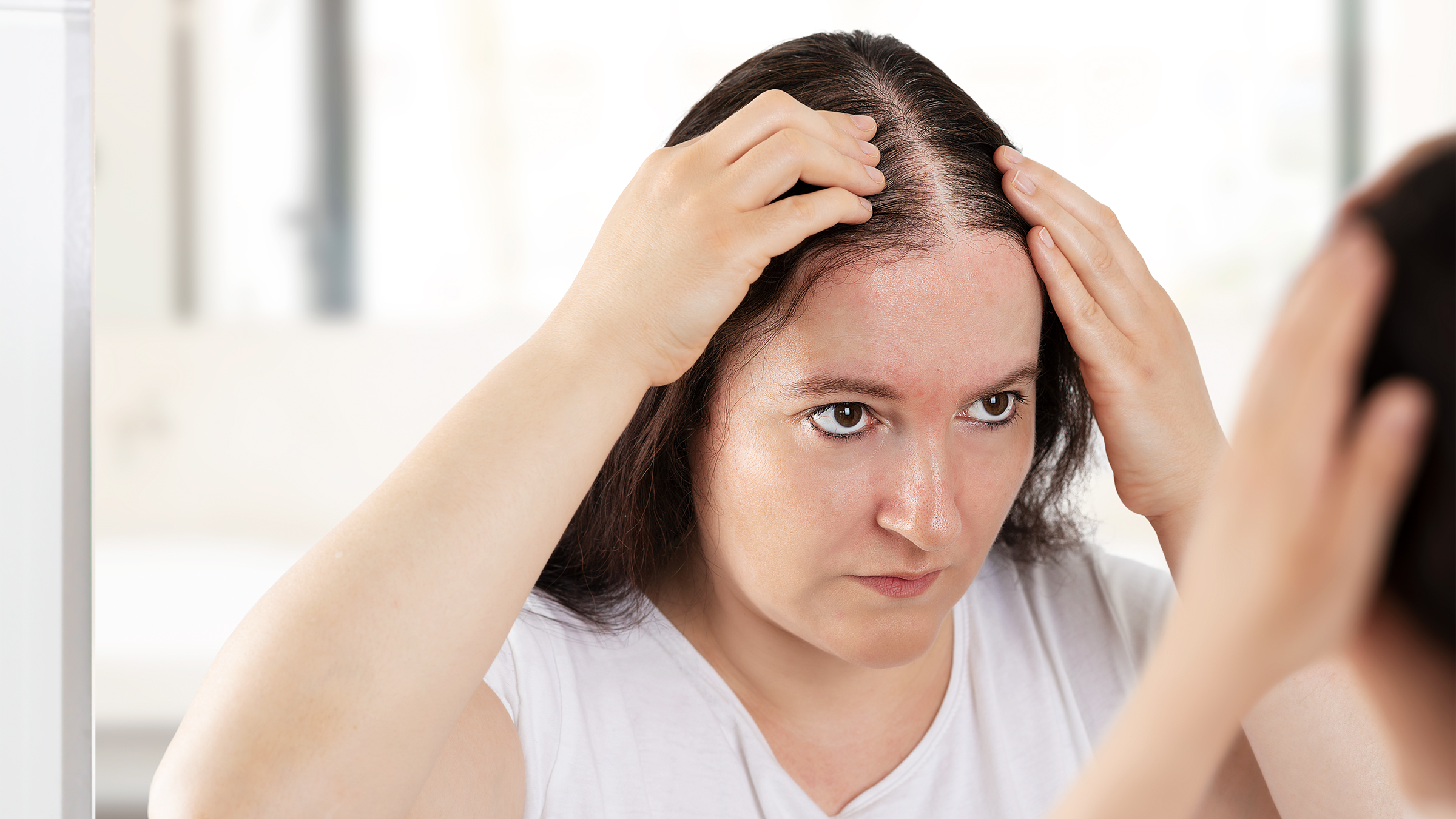
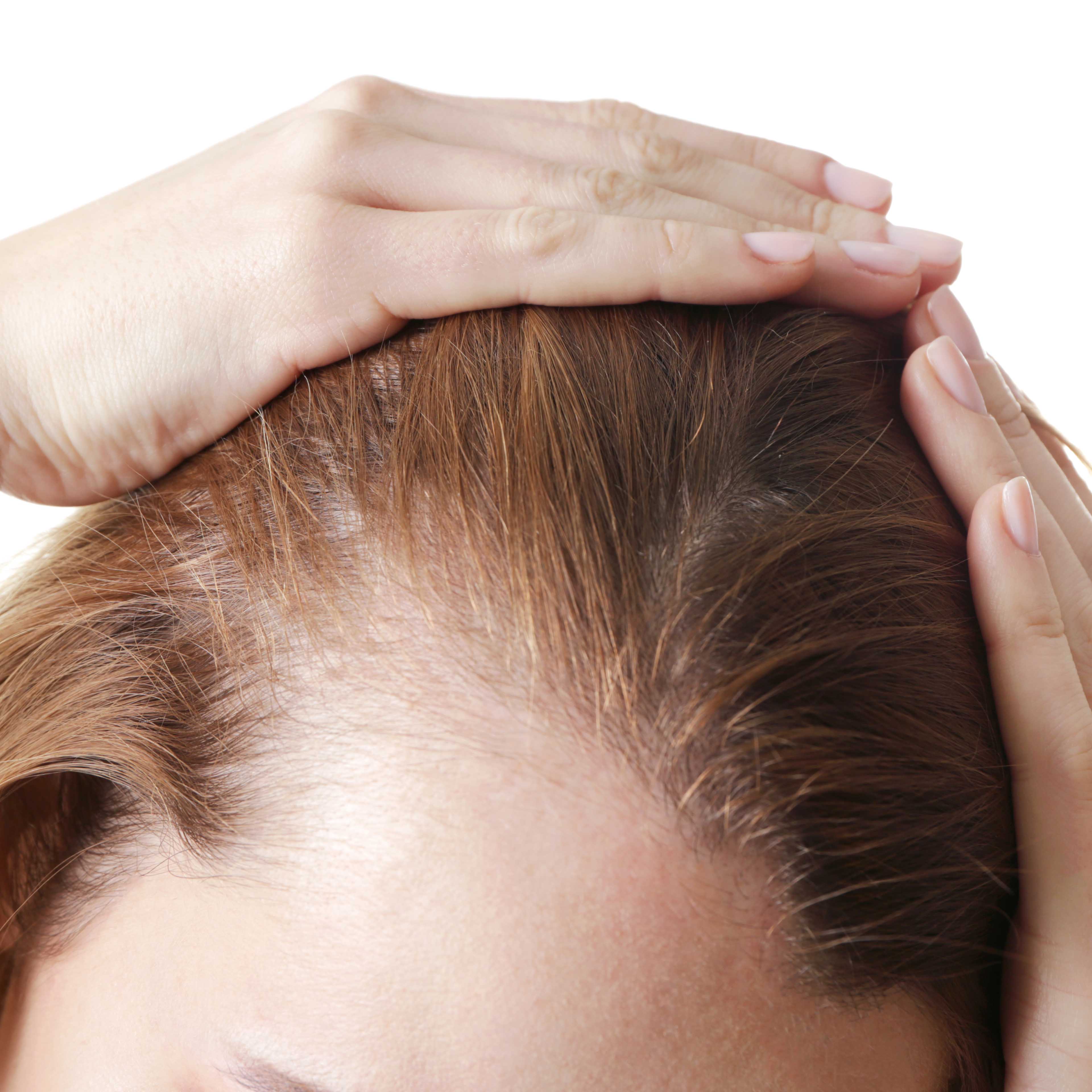
While some forms of AFAB hair loss are temporary, female pattern baldness is permanent and irreversible without treatment. If female pattern baldness affects your emotional well-being, your healthcare provider may recommend you meet with a mental health professional. Hair loss usually starts to appear near your center part.
TE most often occurs after a particularly stressful event such as emotional stress (a break-up, the death of a loved one) or physical stress (surgery, extreme illness), says Dr. Green. More specifically, the shedding will start three months after the event. The reason why is unclear, but it’s suspected that high levels of cortisol, a stress hormone, shortens the growth phase, pushing a greater amount of hair into the shedding phase, Green adds. Studies indicate that this medication is effective in about 40% for women who have female pattern hair loss.
This type of hair loss occurs slowly, over the course of several months or years. It’s important to talk to your healthcare provider before starting any form of treatment for hair loss. Some types of treatment aren’t safe to use if you’re pregnant, planning on becoming pregnant or going through menopause.
One way to do this is to make a list of all your good qualities and focus your energy on celebrating these attributes. Losing your hair as a woman, especially if you're young or at a vulnerable time in your life, can badly affect your confidence. Designed by a dermatologist to be noncomedogenic and non-irritating to scalp skin. You can’t do much to change your genetics, age, or hormone levels. But that doesn’t mean that things are entirely out of your control. Not getting enough iron, protein or vitamin B12 in your diet can also cause your hair to thin.